

Our Blog
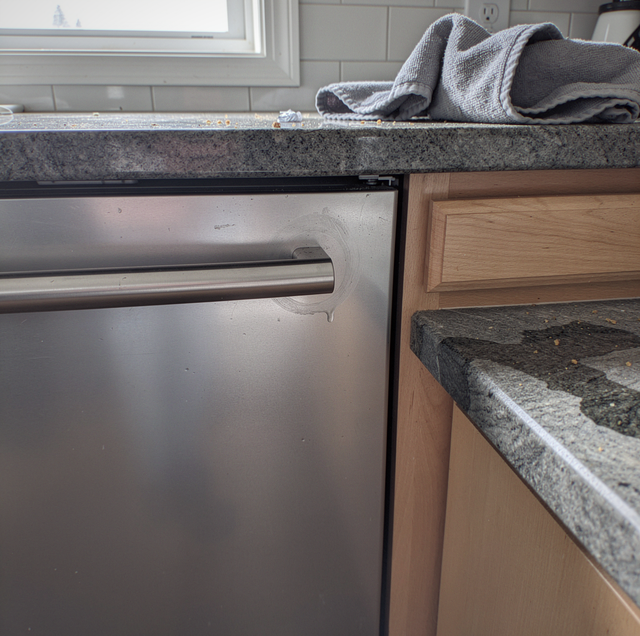
Small Shock From an Appliance or Faucet? What It Means
A shock that only ever happens once, in dry weather, from touching something after walking across carpet, is static electricity discharging and isn't a wiring problem.
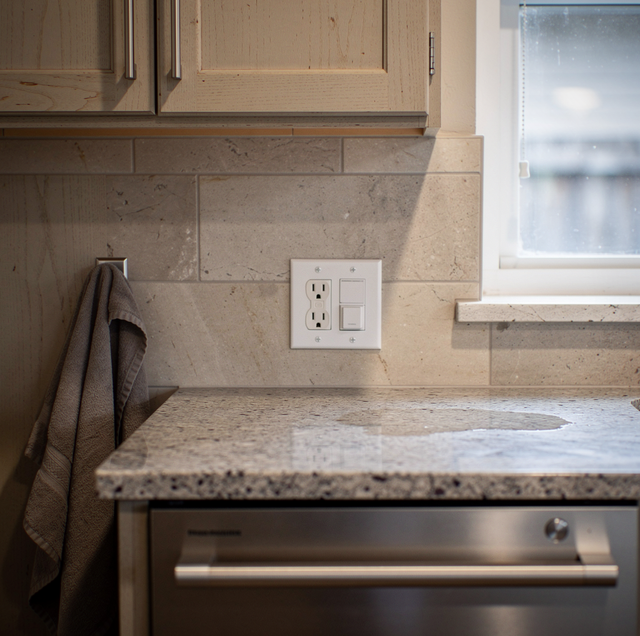
Half the Outlets in Your House Are Dead? Do This
Half the outlets in a house going dark at once looks nothing like a normal circuit problem.
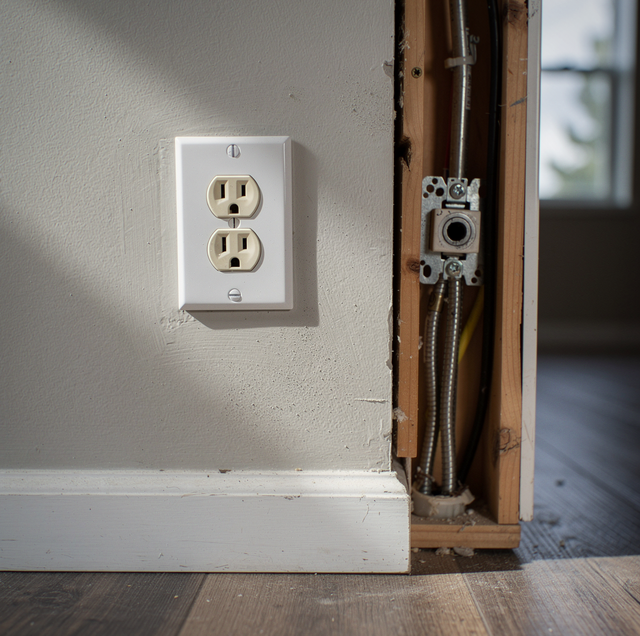
Aluminum Wiring: What’s Actually Risky, What Isn’t
Pull an outlet out of the wall in a home built between about 1965 and 1973, and you might find wire jacketing stamped "AL" or "Aluminum" instead of the familiar copper color.
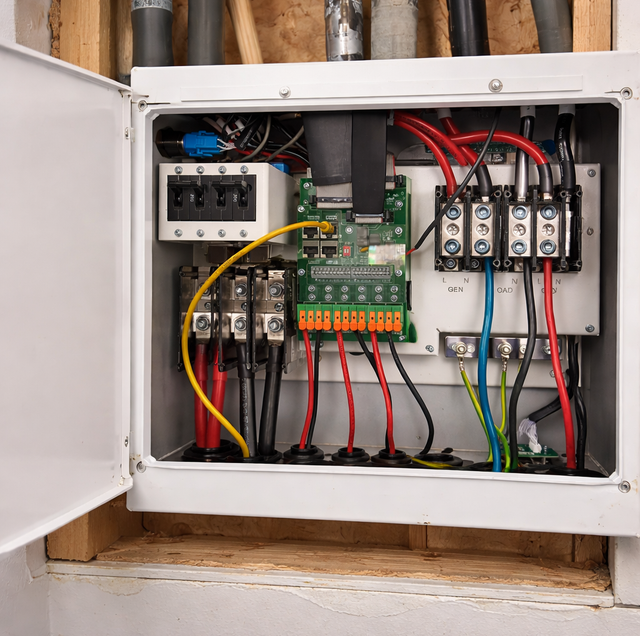
Electrical Panel Warm or Buzzing? When It’s Dangerous
Stand close to your electrical panel in a quiet house and press a hand flat against the cover.
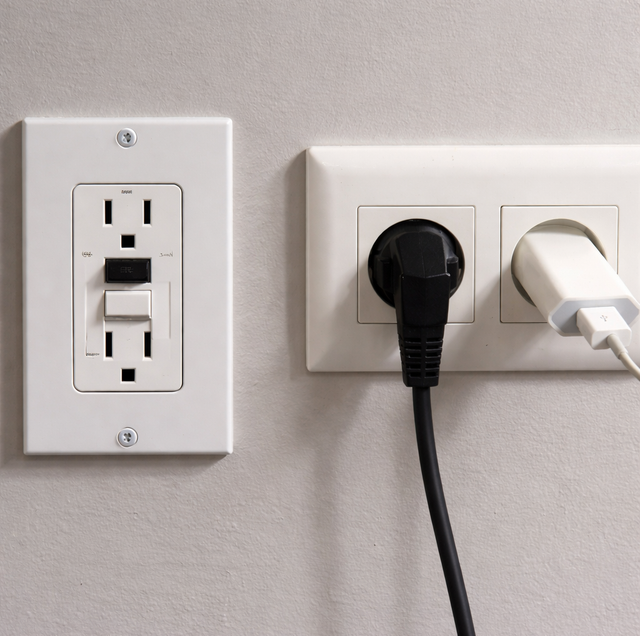
Outlet Dead but the Breaker Isn’t Tripped? Check These 5
You go to plug in the coffee maker, and nothing happens. The outlet is dead.
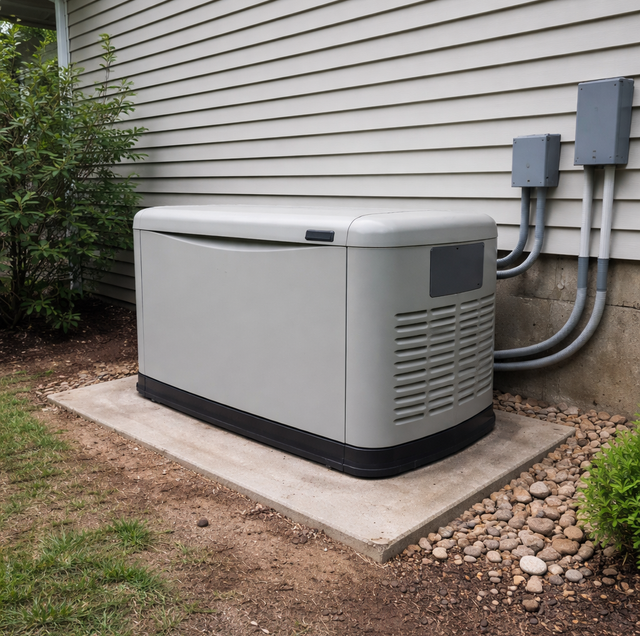
Whole House vs. Portable Generator: Which Fits Your Home
The lights drop, the refrigerator goes quiet, and you stand in the dark doing the mental math you swore you would do after the last outage.
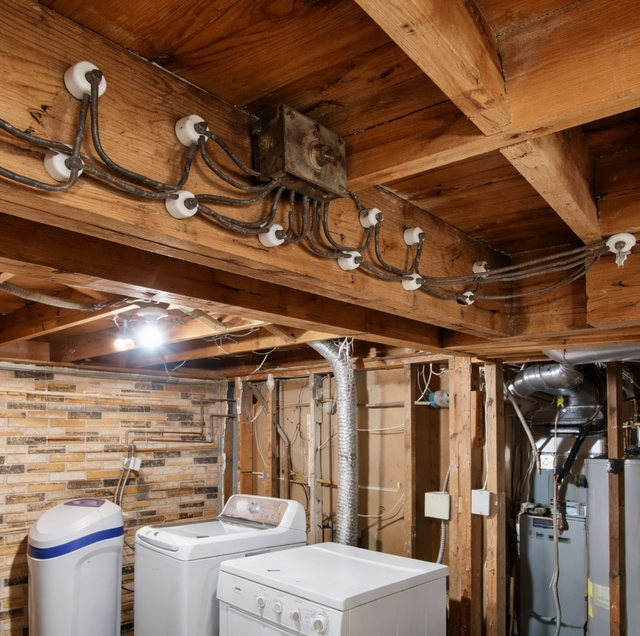
What Is Knob-and-Tube Wiring, and Is It Safe Today?
Knob-and-tube wiring is the original standardized way houses were wired for electric light: two separate cloth-covered copper conductors, a hot and a neutral, suspended in open air on porcelain knobs and slipped through ceramic tubes wherever they pass through the framing.
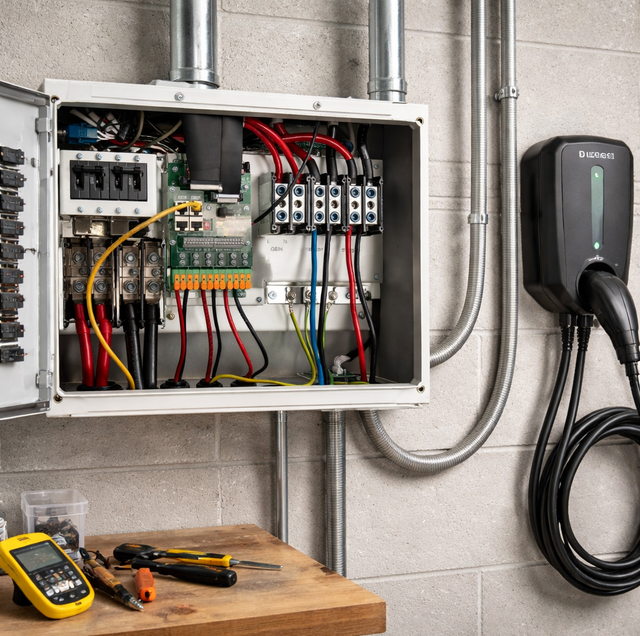
Can Your Panel Handle an EV Charger? How to Tell
The new EV is in the driveway. The cord that came in the trunk trickles a few miles of range an hour from a regular outlet, which is fine until the first morning you leave with less charge than you wanted.
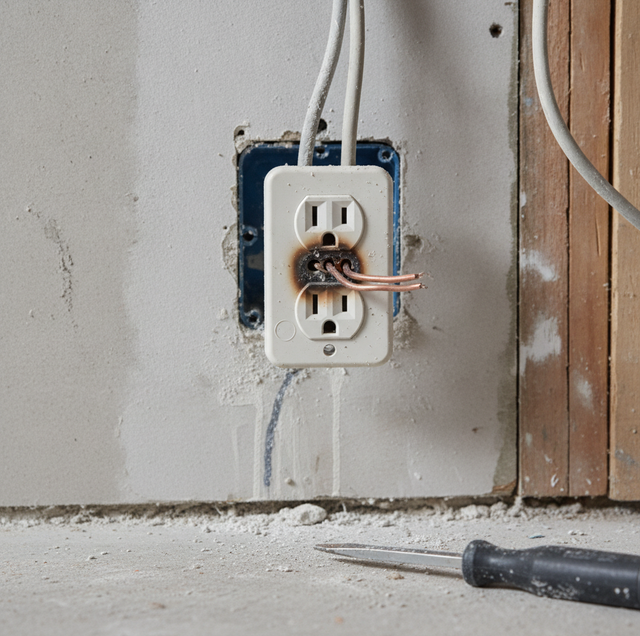
Why Is My Electrical Outlet Warm? When It's a Fire Risk
An electrical outlet has no business being warm. It is a set of metal contacts that hands current off to whatever you plug in, and when everything is connected tightly, almost no energy is lost at the outlet itself. So, when the wall plate feels warm under your fingers, or the receptacle is truly hot, that warmth is telling you something: somewhere inside that box, electricity is meeting resistance it should not encounter, and that resistance turns current into heat.
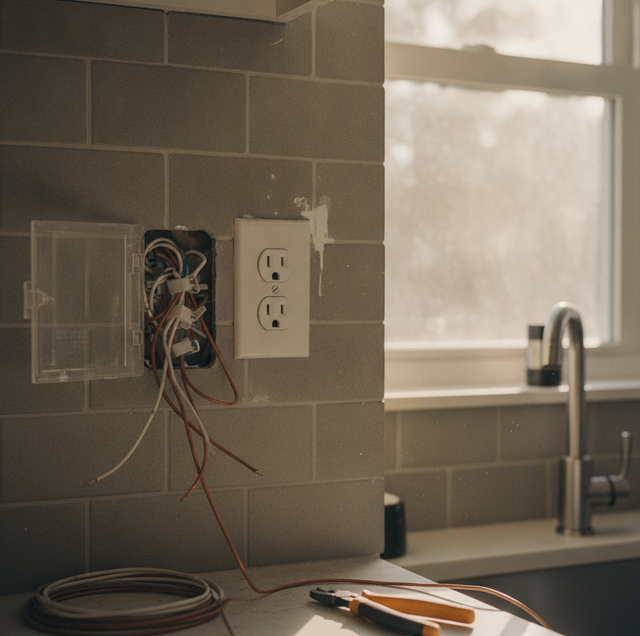
Why Your GFCI Keeps Tripping — and When to Worry
When a GFCI keeps popping, the natural assumption is that the outlet has gone bad. Usually, it has not. A ground-fault outlet has one job: watching for current that leaks out of the circuit instead of returning the way it came, and a repeat trip almost always means it is doing that job on something real. Nothing has to look scorched or smell hot for it to keep cutting power, because it is watching for leaking current, not heat or load.
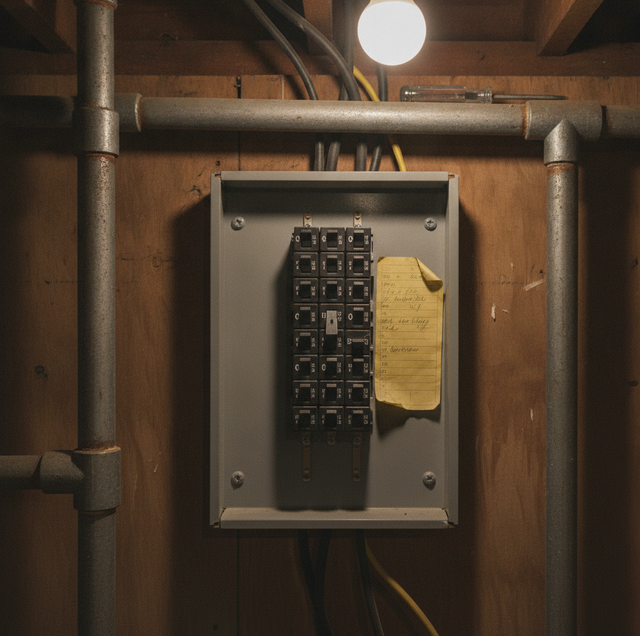
Why Does My Circuit Breaker Keep Tripping? How to Tell Why
You flip the breaker back to on, hear it seat with a click, and walk away. Ten seconds later, or ten minutes, it snaps to the middle position again, and the room goes dark. You reset it. It trips right back. Somewhere behind that panel, a small mechanical switch is doing exactly what it was built to do, cutting power before something gets hot enough to start a fire. The breaker is not the villain here. It is the messenger, and it is trying to tell you something specific about the circuit it protects.
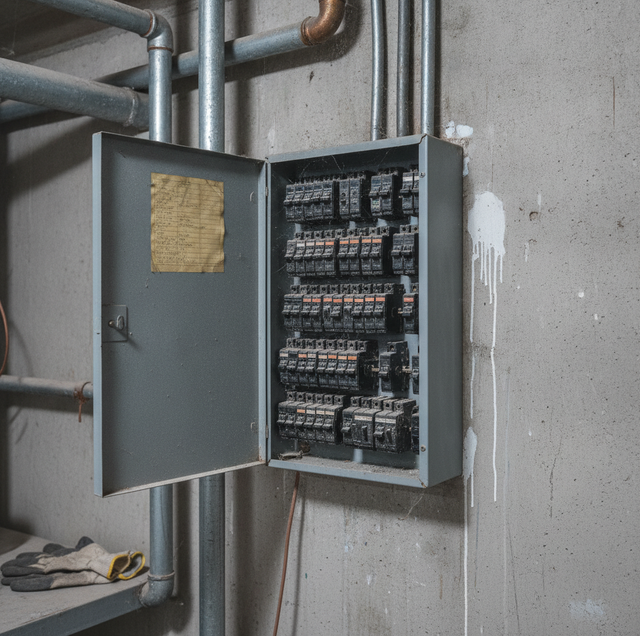
Do I Need a 200-Amp Panel Upgrade? How to Decide
"Do I need a 200-amp panel upgrade?" The honest answer is not "always, and soon." It depends on two numbers: what your electrical service can actually supply, and what you are asking it to run. Plenty of homes on 100-amp service power a modern kitchen, a laundry, and central heating without ever brushing their limit. Others hit the ceiling the moment a second large load goes in. Age alone does not decide it, and neither does a panel that looks full. The real question is whether the capacity coming into the house still has headroom for the loads you have now and the ones you are planning.
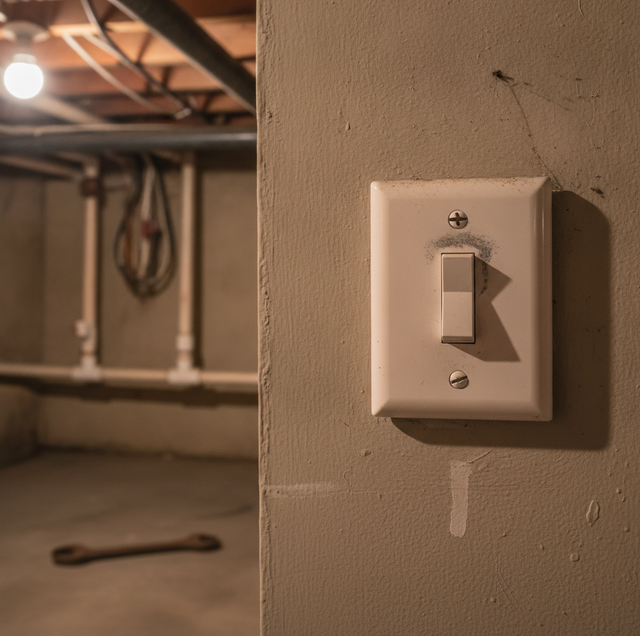
Burning Smell From an Outlet or Switch? Do This First
You walk past the outlet behind the couch and catch it for a second: a faint, sharp smell, part hot plastic and part fish, that fades when you step back and returns when you lean in. Maybe it is a switch instead, a little warm under your fingers, with a smudge of gray around the screws that was not there before. Nothing is smoking. Nothing looks wrong from across the room. That thin, chemical odor is the part that matters, because it almost always means a connection somewhere behind that cover plate is running hot enough to cook the plastic around it. Here is what to do, in order, before you do anything else.
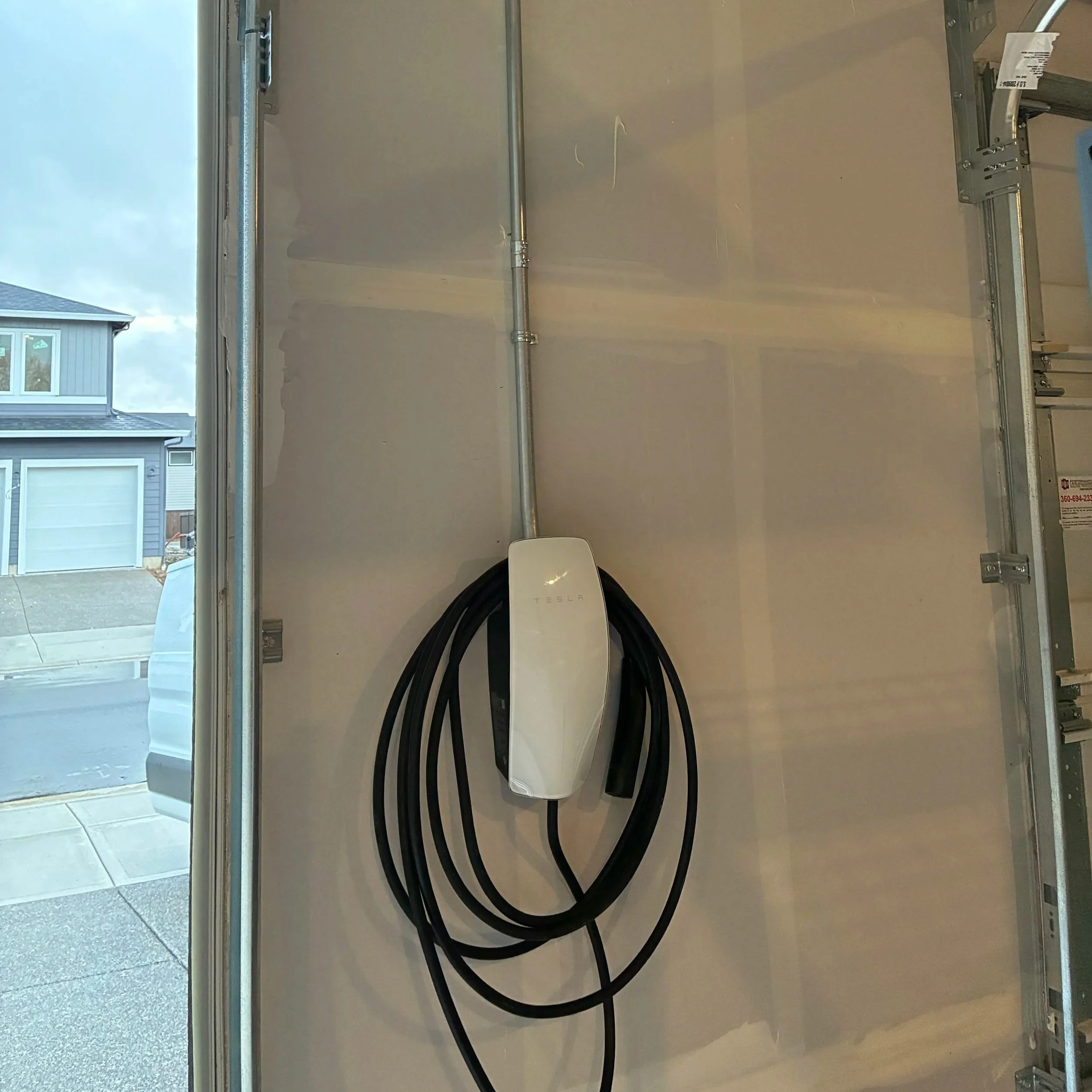
Charge Your Tesla Without Playing Musical Outlets
Power flows where it's needed, cords stay out of the way, and every morning starts with a fully charged battery and zero drama.

We Handle the Sparks So You Don't Have To
Emergency electrical repairs and troubleshooting are essential when dealing with electrical problems.
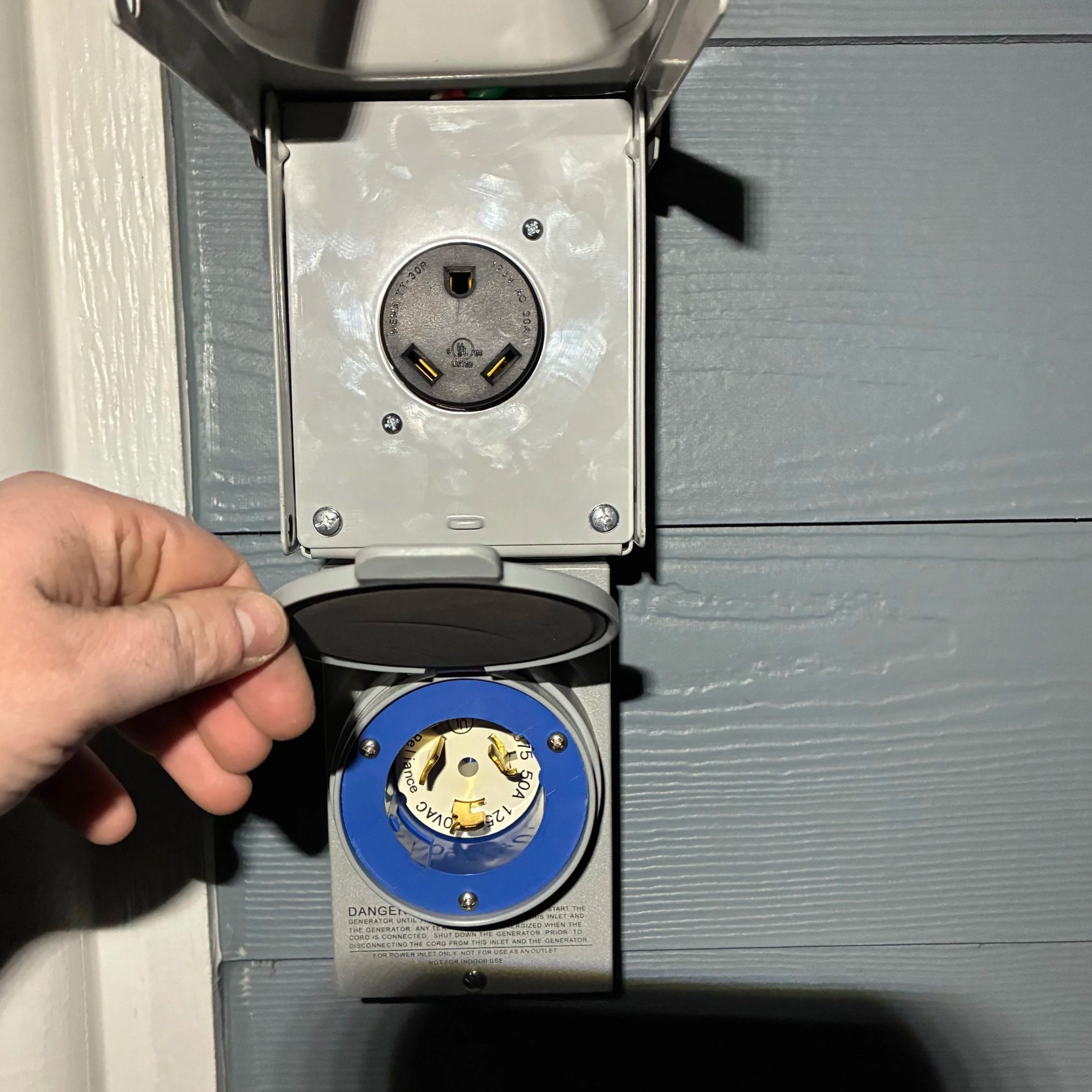
Modern Life Deserves More Than One Outlet Per Wall
As technology becomes more integrated into everyday life, the need for accessible, reliable power continues to grow.
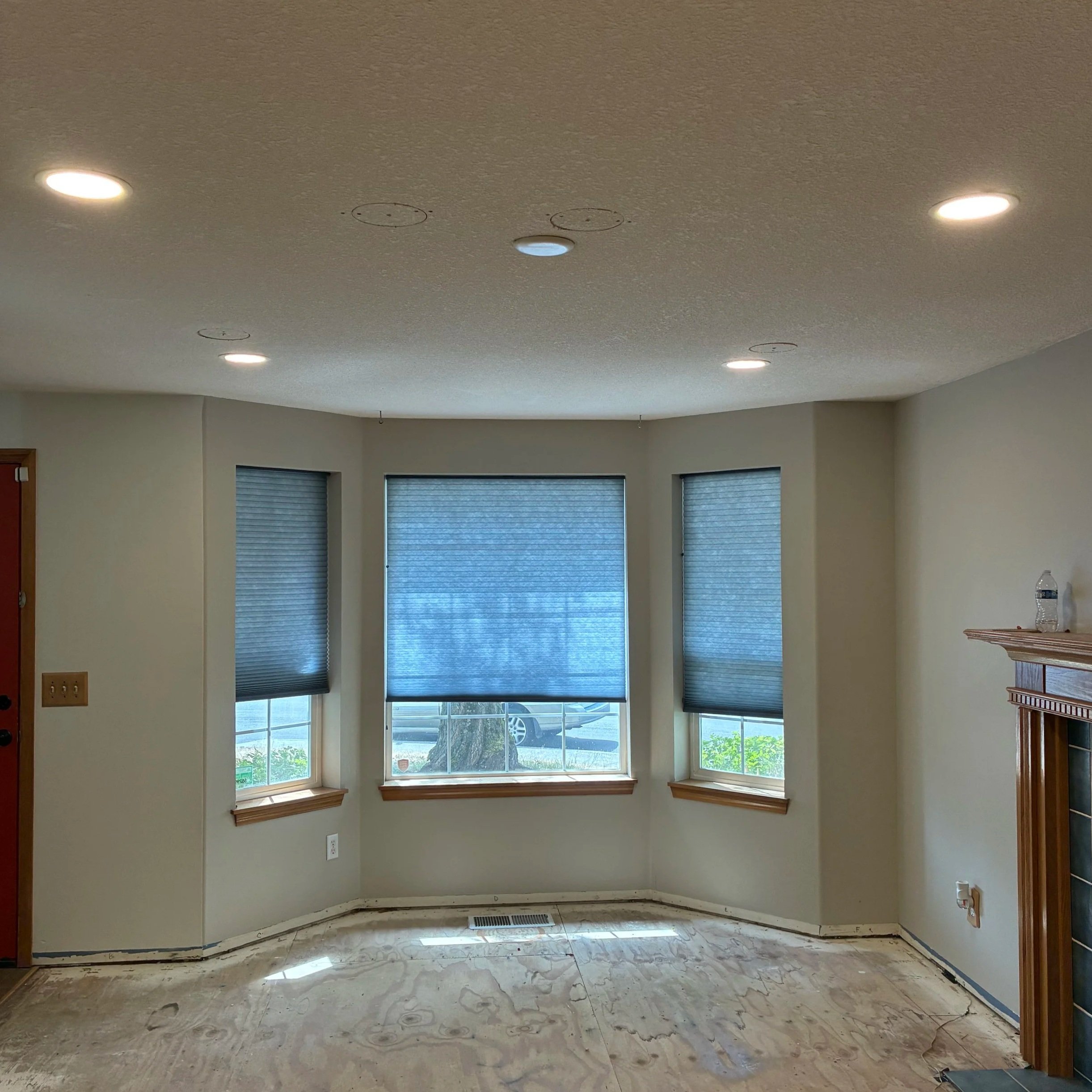
Recessed Lighting: Because UFO Saucers Don’t Belong On The Ceiling
From clunky glass domes to oversized fixtures that resemble flying saucers, they’ve often felt more like statement pieces from a distant decade than contributors to a well-lit, modern home.
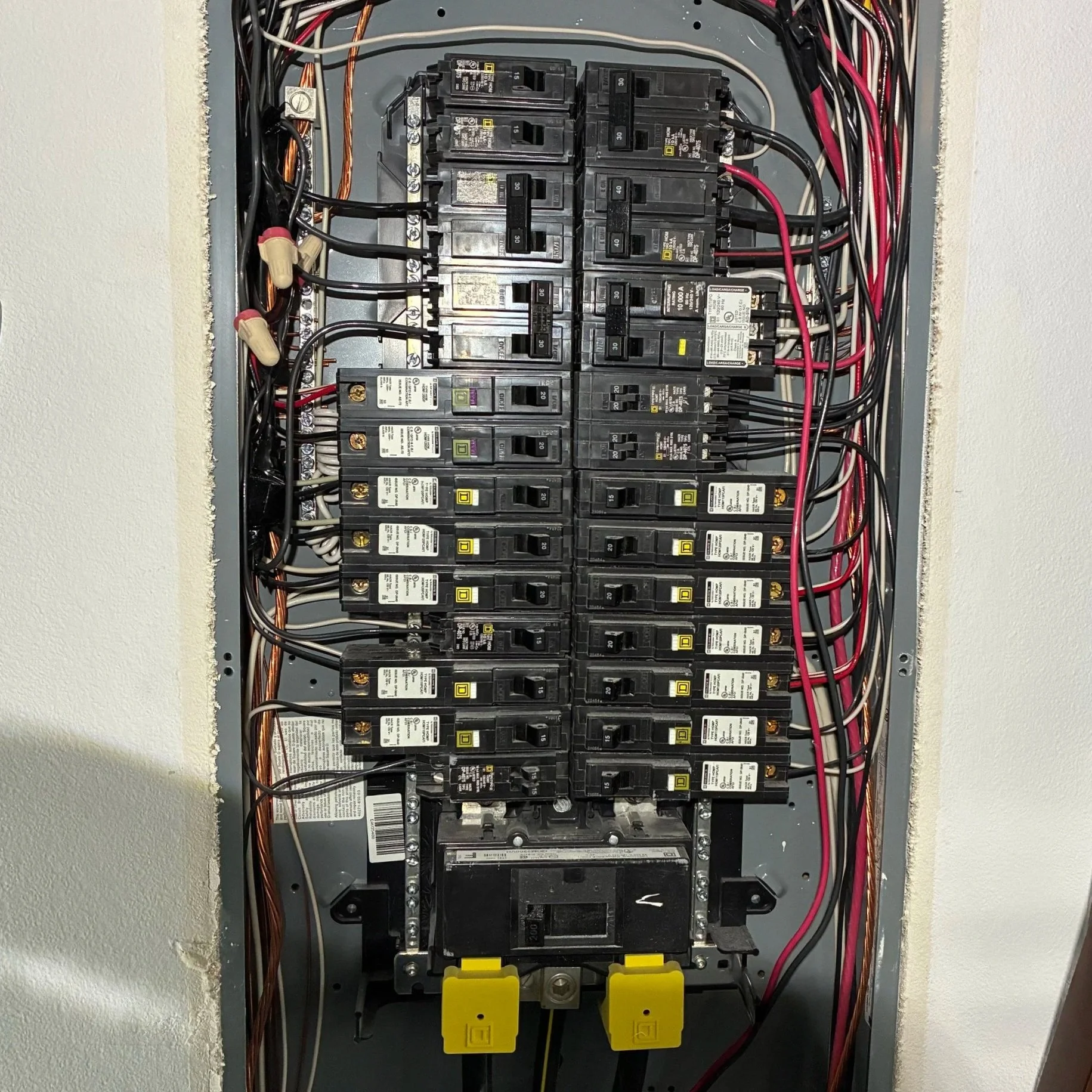
The Breaker Flipped and So Did the Schedule
You know something’s off, but figuring out what’s going on is like playing detective in the middle of a crisis.
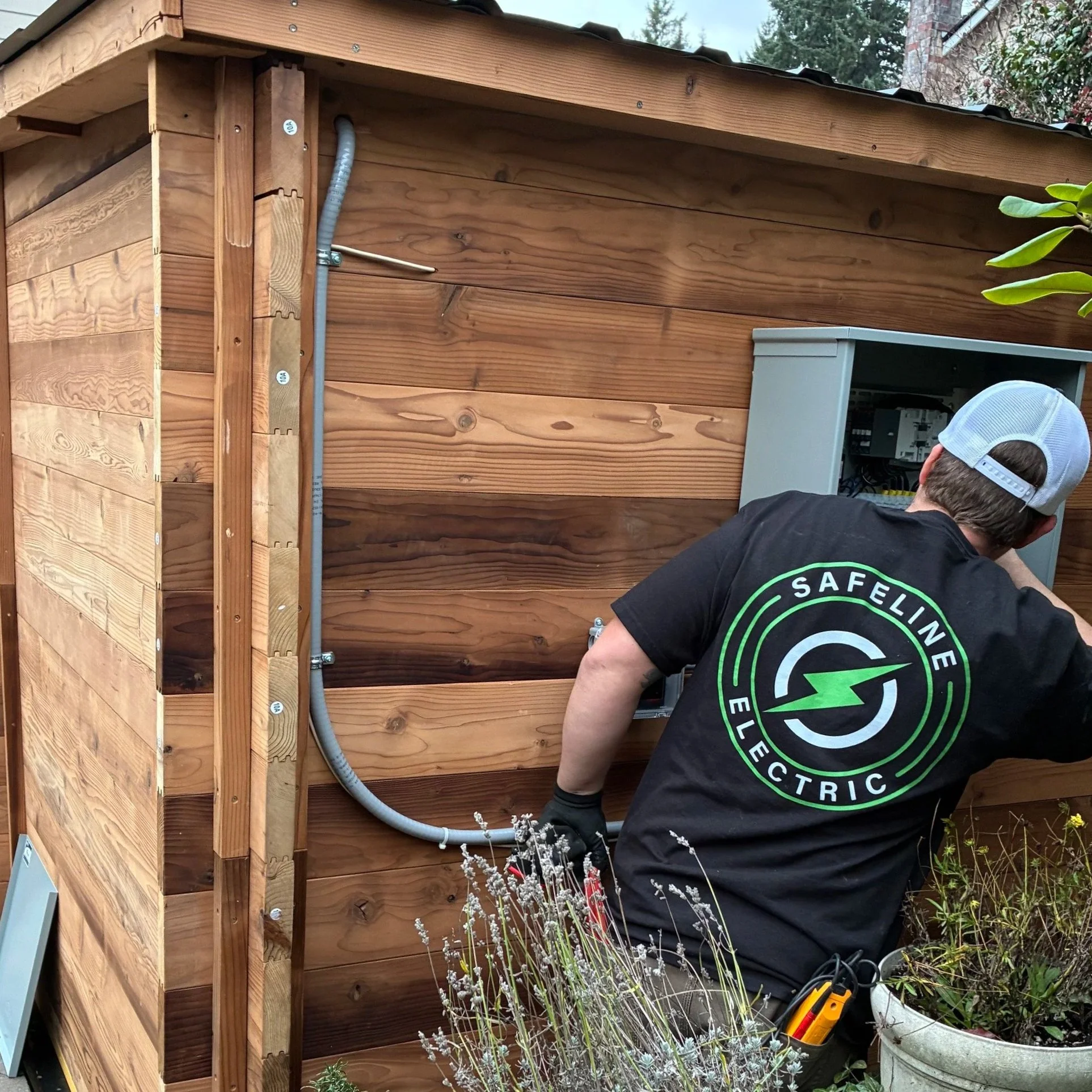
Home Inspections That Don't Miss a Wire
A home inspection can tell you about the structural integrity of your new place, but it's the electrical inspection that might just save you from a future nightmare.
Saunas Need More Than Steam to Run Right
Without the proper wiring, the entire setup could be compromised, leaving you with a malfunctioning or unsafe sauna.