
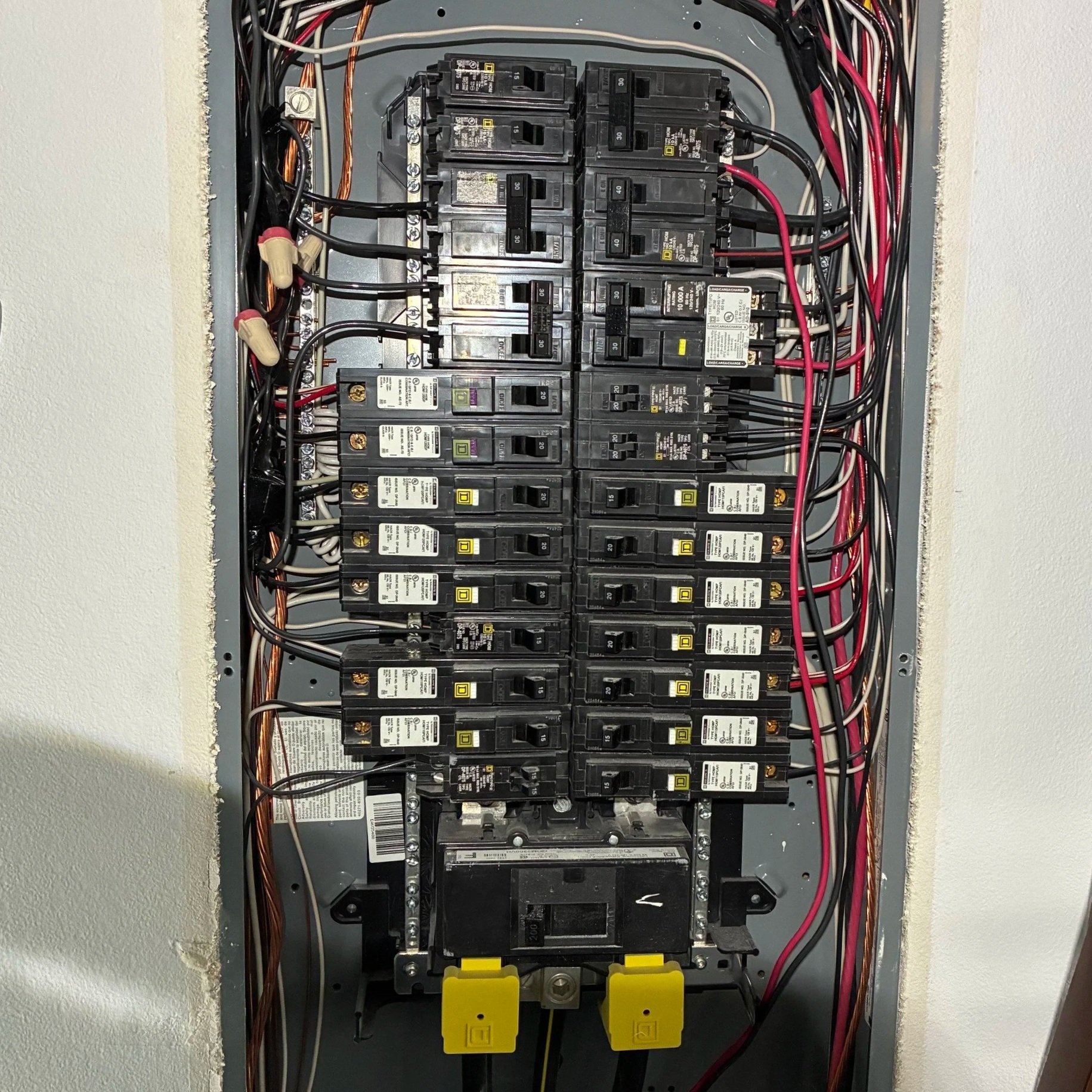
You know something’s off, but figuring out what’s going on is like playing detective in the middle of a crisis.
Nothing throws a wrench in your plans quicker than the flick of a breaker. One minute, you’re enjoying your usual routine, and the next, everything’s plunged into darkness. The fridge goes silent, your devices stop charging, and the lights blink out in an instant. You know something’s off, but figuring out what’s going on is like playing detective in the middle of a crisis. And, of course, when it happens on a tight schedule, that little electrical hiccup feels like a major setback.
Emergency electrical issues can be a hassle, especially when you’re already juggling a busy day. Whether it’s a breaker that’s tripped, an appliance that’s malfunctioning, or your entire electrical system suddenly on the fritz, troubleshooting it isn’t as easy as flipping a switch. In times like these, understanding why things went wrong can help you prevent future headaches and—hopefully—get things back to normal a little faster.
The Tripped Breaker: A Sign of Something Bigger?
A tripped breaker can be a simple, quick fix, or it could be the sign of an underlying issue. When a breaker trips, it’s essentially your electrical system’s way of saying, “Whoa, hold up! Something’s not right here.” It could be anything from an overloaded circuit to a short circuit or faulty wiring. If it’s a single breaker, the solution may be as simple as flipping it back on. However, if the breaker trips repeatedly, it’s time to dig deeper.
Overloaded circuits occur when too many devices are plugged into a single outlet or circuit. If your living room has a TV, a gaming console, an air conditioner, and lights all plugged into the same circuit, you might overload it. The breaker will trip as a protective measure to keep your home from overheating or catching fire.
A short circuit is a more serious issue that occurs when wires or cables come into contact with each other. In this case, electricity is flowing through an unintended path, which can quickly become dangerous. If your breaker is tripping because of a short circuit, it’s important to address it immediately. In this case, resetting the breaker won’t cut it—you need professional help.
The trick here is not to ignore a breaker that trips repeatedly. While it might be tempting to keep resetting it, repeated trips signal an issue that needs to be fixed before it leads to bigger problems. That’s where emergency electrical repair and troubleshooting services come in. An experienced electrician can pinpoint the exact cause of the problem and get things running smoothly again.
Common Causes of Electrical Failures
While a tripped breaker is often the most obvious sign, it’s not the only issue that can arise. Your electrical system is a complicated network of wires, outlets, switches, and panels that must work in harmony. Even the smallest malfunction can throw everything off.
Outdated or faulty wiring is one of the most common culprits behind electrical failures. If your home is older, chances are it’s equipped with wiring that wasn’t designed to handle the demands of modern appliances. This is especially true in homes with older breaker panels or systems that haven’t been upgraded in decades. If your home’s wiring can’t handle the electrical load, you might find yourself flipping breakers more often than you’d like.
Loose or damaged outlets are another common cause of electrical issues. Over time, outlets can become worn or loose, especially in high-use areas like the kitchen or living room. A faulty outlet may not just fail to power your appliances—it can also be a fire hazard. If you notice any indications of sparking or burning around your outlets, it’s time to call for emergency electrical repairs.
Power surges are another issue that can trip breakers and cause electrical failures. They happen when there’s a sudden spike in the voltage that comes into your home, often caused by thunderstorms, heavy electrical equipment usage, or even issues with your utility company. Power surges can burn out sensitive electrical components in your appliances, leaving you with more than just a tripped breaker to worry about.
Why Professional Help Is Crucial
When electrical problems strike, trying to troubleshoot them without the proper training can be dangerous. Sure, you might know how to flip a breaker back on or change a light bulb, but dealing with more complicated issues like faulty wiring, power surges, or short circuits requires expertise and experience.
An electrician trained in emergency electrical repair knows how to quickly and accurately assess your situation. They can find the root cause of the problem, fix it efficiently, and verify that your electrical system operates safely. Plus, they come equipped with the right tools and knowledge to handle the job properly, saving you time, stress, and the potential danger of trying to do it yourself.
Beyond just troubleshooting, an electrician can also give you advice on how to maintain your system to avoid future failures. They’ll walk you through simple fixes or upgrades that can improve your system’s performance and prevent further breakdowns. Whether it’s recommending new wiring for an outdated system or installing surge protectors to keep your electronics safe, professional help is always worth it when things go wrong.
When to Call for Emergency Service
While some electrical issues can wait for regular business hours, others demand immediate attention. If you notice any of the following, it’s time to call for emergency electrical repair:
Repeatedly tripping breakers that can’t be reset
Sparks or smoke coming from outlets or appliances
Electrical shocks or buzzing noises near outlets or switches
Flickering or dimming lights, especially if they’re widespread
Outages that affect large portions of your home, rather than just one circuit
When these issues arise, delaying repairs can be dangerous. What might start as a small inconvenience can quickly turn into a major electrical hazard. When in doubt, don’t hesitate to call for emergency services. The sooner the problem is addressed, the less likely it is to escalate into something more serious.
Stay Ahead of Electrical Problems
The best way to avoid emergencies is to be proactive with your home’s electrical system. Schedule regular inspections with a licensed electrician to confirm your wiring, outlets, and panels are in good working order. Consider upgrading outdated electrical components to accommodate modern appliances, and don’t ignore signs of wear on your system.
By staying ahead of potential issues, you’ll be able to keep your home’s electrical system running smoothly and avoid the dreaded mid-day outage. When trouble strikes, however, having a trusted electrician to rely on for emergency electrical repair and troubleshooting can make all the difference.
Electrical problems are more than just inconveniences—they’re a safety concern. Keeping your electrical system in top shape will help you stay on schedule and keep things running as smoothly as possible. So, the next time a breaker flips, don’t panic. Call the pros, and let them handle the rest.
Safeline Electric is a licensed and certified residential electrician and commercial electrician serving Vancouver, WA. We hold a strong reputation for timely service and commitment to quality. Our focus is on ensuring long-term functionality of your electrical systems. As an emergency electrician, we provide 24- hour assistance to home and business owners and ensure minimal disruption. Call today for an estimate.
