
Home Inspections That Don't Miss a Wire
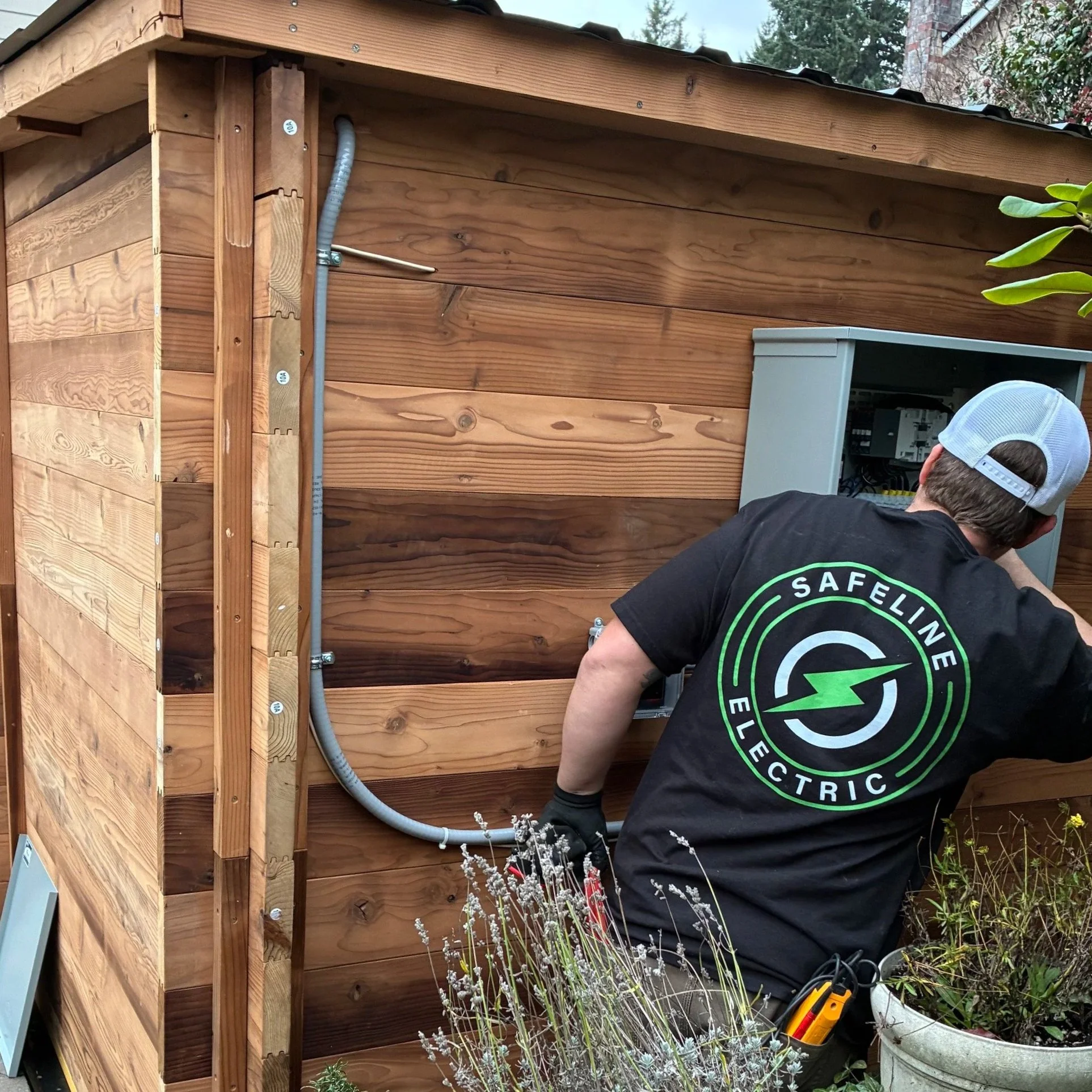
A home inspection can tell you about the structural integrity of your new place, but it's the electrical inspection that might just save you from a future nightmare.
When buying a home, many things can be overlooked in the excitement. Fresh paint, shiny countertops, and polished floors grab your attention, but what about the electrical system? It's easy to forget that behind the walls, a complex web of wires, outlets, and breakers keeps everything running smoothly. A home inspection can tell you about the structural integrity of your new place, but it's the electrical inspection that might just save you from a future nightmare.
A thorough inspection by a professional does more than check the basics; it examines every inch of your electrical system, identifying potential problems before they become expensive issues. A home with an outdated or improperly wired system can pose serious risks, including power outages and potential fire hazards. Modernizing your home's electrical system through regular inspections and upgrades doesn't just improve safety; it also makes sure that your home keeps pace with the demands of modern living.
Why Electrical Inspections Matter
When you think about home safety, your mind might first wander to smoke detectors or deadbolts. But electrical safety is just as important, if not more so. Faulty wiring, outdated systems, and improper connections often go unnoticed by homeowners until it's too late. Every year, electrical malfunctions cause thousands of house fires, some of which could have been avoided with a proper inspection.
Electrical systems wear out over time. Wires can fray, connections can loosen, and older components might struggle to keep up with the demands of modern appliances. A home inspection by a qualified electrician checks for these issues, preventing costly repairs or dangerous situations down the road. Whether it's the electrical panel that needs an upgrade or faulty wiring behind the walls, an expert can identify problems before they lead to disaster.
What Does a Proper Electrical Inspection Include?
A comprehensive electrical inspection should cover every aspect of your home's electrical system. The electrical panel, which works as the brain of your system, must be in good condition and sized appropriately for the electrical load your home requires. An older panel may not be able to handle the power demands of modern electronics, resulting in overloaded circuits or tripped breakers.
Outlets and switches also need to be examined. Outdated or broken outlets not only look unsightly but can also be dangerous, especially in high-traffic areas. They may not support modern plugs or offer the necessary safety features, such as grounding. Faulty outlets increase the risk of electrical shock and could also start a fire if they aren't properly connected.
The wiring throughout the house is another critical part of the inspection. Over time, wires can degrade, especially if installed improperly or subjected to wear. Some older homes still have aluminum wiring, which is more prone to failure and overheating than the copper wiring used in most homes today. Replacing outdated wiring is essential for your home's safety and longevity.
Safety First: Keeping Your Home Up to Code
Electrical codes are frequently updated to improve safety and adapt to new technologies. A home built in the '70s might not meet current standards, leaving its electrical system outdated and unsafe. Modern homes have higher electrical demands, with everything from kitchen appliances to entertainment systems requiring more power. A home built with older systems may not be able to handle this, and as a result, circuits may be overloaded, or wiring may be underpowered, both of which increase the risk of failure.
Updating electrical systems to meet modern code requirements is an important part of home ownership. When an inspection reveals outdated wiring or components that don't meet code, it's time to make upgrades. While some home buyers may hesitate to invest in an upgraded electrical system, the truth is, doing so enhances the home's value and safety while giving homeowners peace of mind.
The Advantages of Electrical Modernization
When you take the time to upgrade your electrical system, you're not just fixing problems – you're investing in the future. Today's homes are full of electronics, high-efficiency appliances, and other technologies that require a dependable power supply. From the kitchen to the living room and even the backyard, every part of your home uses power in ways it never did before.
Modernizing your electrical system offers several benefits. For one, you can add dedicated circuits to power high-demand appliances such as air conditioners, water heaters, or electric car chargers. Overloaded circuits not only cause service interruptions but also increase the risk of damage to your devices or the wiring. By upgrading your system, you can make sure that each appliance has the power it needs without overloading the system.
Upgrading to energy-efficient lighting and systems also makes a difference. By replacing old incandescent bulbs with LED lights or installing energy-efficient appliances, you reduce your electricity consumption, which lowers your utility bills. These upgrades make your home more eco-friendly and comfortable, all while improving safety.
Regular inspections also prevent bigger issues down the road. Homeowners who ignore electrical problems are often caught off guard when a system failure occurs. Taking a proactive approach to inspections and updates prevents costly repairs and minimizes the risk of electrical emergencies.
Keeping Your Home Safe and Efficient
Electrical inspections and modernization don't just improve the safety of your home—they also make it more efficient. Today's energy-efficient appliances require modern electrical systems to operate at their best. From smart thermostats that reduce energy consumption to whole-house fans that improve ventilation, today's technology demands more from your system.
Incorporating smart home technology into your electrical system requires an updated, efficient setup to function seamlessly. Homes with outdated systems often experience interference or power loss when trying to integrate modern tech. Whether you're installing a home automation system, upgrading to a smart thermostat, or adding additional outlets for a home office, your system must be equipped to handle these additions.
More than just improving efficiency, upgrading your system also reduces the risk of power surges that could damage expensive devices. Installing surge protectors and grounding outlets helps protect electronics from power spikes, keeping your devices safe and reducing long-term maintenance costs.
Electrical Inspections Are More Than a One-Time Thing
Electrical inspections should be part of routine home maintenance, just like oil changes for your car. Even if your system seems fine, it's always a good idea to have an expert look it over every few years. Regular inspections identify areas that need attention before they cause major issues.
Whether you've recently moved into a new home or have been living in the same house for decades, keeping your electrical system in top shape is a smart investment. From preventing fire hazards to improving efficiency, electrical inspections and modernization protect both your home and your wallet. After all, the safety of your home and family is worth the investment in an updated, well-maintained electrical system.
In the end, a thorough inspection provides more than just a clean bill of health for your electrical system; it provides peace of mind. By catching small issues early, making necessary upgrades, and adhering to current safety codes, you can rest easy knowing your home is safe, efficient, and well-equipped to handle the demands of modern life. Don't let electrical problems catch you off guard—schedule an inspection today and take proactive steps toward a safer, more modern home.
Safeline Electric offers electric car charger outlet, electrical inspection and safety, generators, and lighting and fixtures services to Vancouver, WA, residents. As a professional residential electrician, we aim to offer personalized solutions at competitive prices. Licensed and certified. Our team brings years of experience and expertise and have a reputation for clear communication, reliability,a nd attention to detail. Call today to request a free estimate.
