
The Panel’s Not Just Old, It’s Out Of Touch
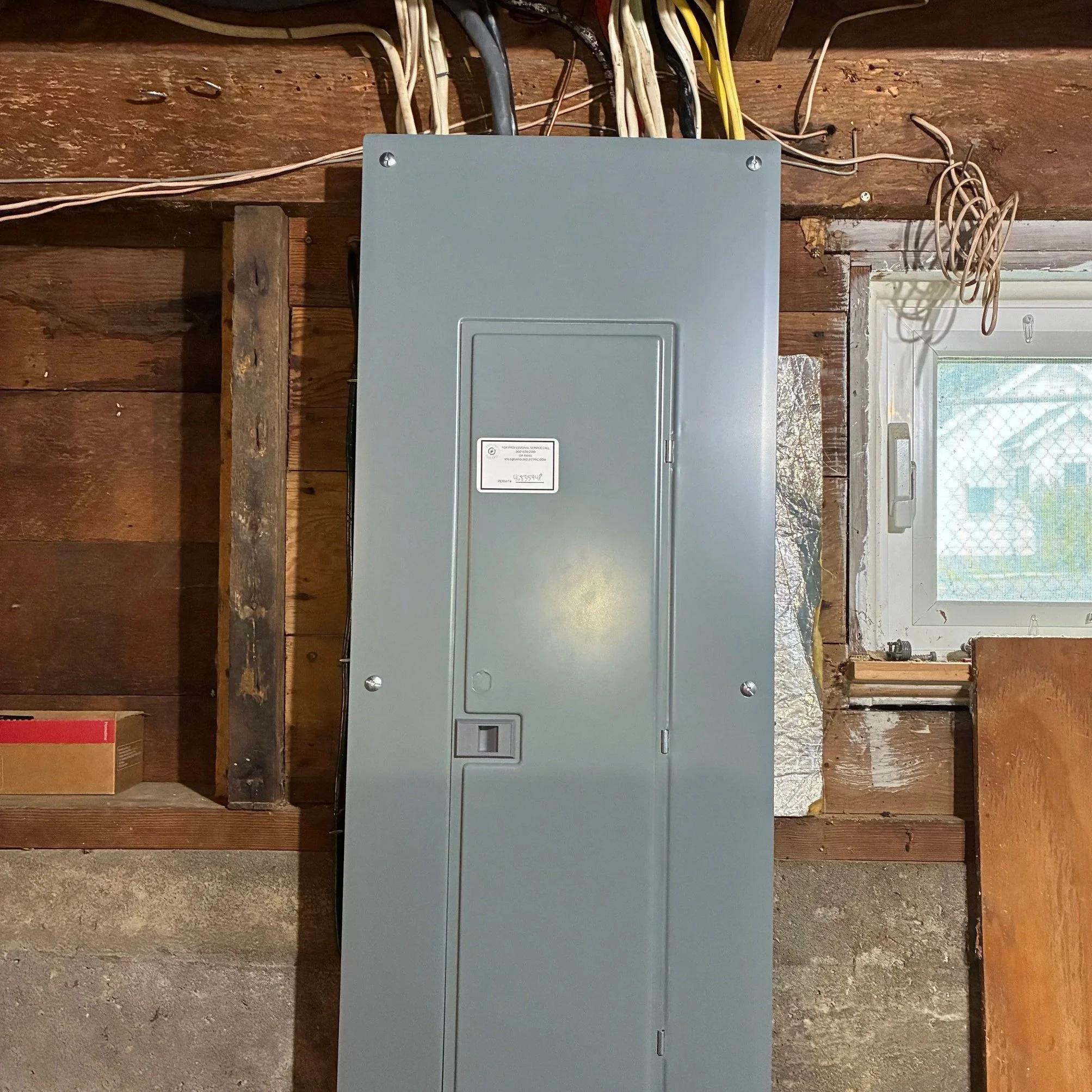
They just sit quietly, often hidden in the basement or garage, slowly becoming less relevant with each device added to the home.
Electrical panels don’t age gracefully. They don’t sip tea, knit scarves, or reminisce about the good old days. They just sit quietly, often hidden in the basement or garage, slowly becoming less relevant with each device added to the home. And while their outside might still look sturdy and gray, their insides could be one flicker away from a very inconvenient blackout—or worse.
It’s easy to forget about them. They’re not glamorous. They don’t match the kitchen tile or impress the neighbors. But electrical panels are the unsung heroes of modern living, and when they’re outdated, everything else suffers. Flickering lights, tripped breakers, buzzing outlets—these aren’t signs of a haunted house, just a tired system begging for an upgrade.
More Power Than Ever Before
Homes today run on far more electricity than they were ever designed for. Air fryers, EV chargers, home offices, smart thermostats, streaming devices—it’s a full-blown digital party, and the old panel wasn’t invited. Older electrical panels, especially those installed before the 1990s, often cap out at 100 amps. That might’ve worked fine for a fridge, a television, and a blender. But now? Not even close.
Modern lifestyles demand more from every circuit. Appliances run more frequently. Devices charge constantly. Even lighting, once an afterthought, has evolved into a layered system of ambiance and function. The panel becomes the bottleneck, straining to keep up with the pace of progress.
Ignoring the signs doesn’t just lead to frustration—it creates risk. Overloaded panels can overheat. Breakers might not trip when they should. Outlets can burn out without warning. It’s like trying to stream a 4K movie over dial-up. The system just can’t keep up, no matter how hard it tries.
The Quiet Danger Of Legacy Equipment
Some panels don’t just struggle—they actively fail safety tests. Brands like Zinsco and Federal Pacific once dotted homes across the country with panels that now rank high on the “needs-to-go” list. Their designs didn’t hold up. Breakers stick. Connections corrode. Fire hazards climb.
They weren’t necessarily bad products in their time, but times have changed. Standards evolved, loads increased, and now those panels are ticking time bombs with outdated badges. Swapping them out isn’t just a matter of convenience—it’s protection. For the home, the people inside it, and every plug that leans a little too hard on yesterday’s engineering.
No Shame In The Upgrade Game
Upgrading an electrical panel isn’t about pointing fingers at past decisions. It’s about future-proofing. It’s about building a system that can support the tech and tools people actually use today. Whether it’s installing a hot tub, adding a new HVAC unit, or finally going solar, the panel needs to be ready to handle the load without wheezing.
Sometimes, the signs show up subtly. Maybe the microwave dims the lights. Or the breaker trips when someone dares to vacuum while the dishwasher is running. Maybe the garage doesn’t have enough juice for that sleek new EV charger. These aren’t quirks. They’re cries for help. And the answer lies in a properly upgraded system that distributes power evenly and reliably.
Space To Grow, Room To Breathe
A modern panel isn’t just more powerful—it’s more spacious. More circuits mean more control and less overlap. Instead of running half the kitchen on one overworked breaker, the new setup allows for better zoning. Each area of the home receives the attention it deserves, with fewer surprises and way less flipping of switches.
The additional room also means the house can evolve without constant workarounds. Planning a home theater? Thinking of a basement remodel? Dreaming of a high-end espresso machine that sounds like a spaceship? A modern panel welcomes all of it with open arms and plenty of amps.
Efficiency That Pays Off
An upgraded electrical system often leads to better energy efficiency. With new breakers, tighter connections, and balanced loads, everything just runs smoother. Devices operate closer to their intended performance levels, and the risk of energy loss through heat and resistance drops. That efficiency can add up, quietly trimming down utility bills and making the home feel more responsive overall.
In some cases, upgrades open the door to even more improvements. Solar panels, smart home automation, and battery backups all work better with a modern electrical foundation. It’s the difference between driving on a freshly paved highway and navigating potholes in a station wagon from the ‘70s.
Fewer Surprises During Renovations
Nothing puts a damper on a home renovation like discovering the electrical panel isn’t up to the task. Contractors hit pause. Timelines stretch. Budgets balloon. That new bathroom or kitchen might look amazing in sketches, but without the power to back it up, progress grinds to a halt.
Preemptively upgrading the electrical system avoids those awkward mid-project pivots. It clears the path for lighting schemes, new appliances, and all the fun stuff that turns a house into a dream home. It also makes inspections smoother, approvals faster, and the whole project a lot less stressful.
Safety That Works Silently
There’s something deeply satisfying about knowing the home is safer—even if no one ever sees the panel. It’s not flashy. It’s not front and center. But every time a breaker trips as it should, or a surge is absorbed without drama, the panel is doing its job like a quiet champion.
Modern panels also come with features older ones don’t even dream of. Arc fault protection. Ground fault breakers. Clear labeling. Even app-connected monitoring options in some models. These upgrades take the guesswork out of electrical management and offer peace of mind that stretches well beyond the visible wiring.
Combined Services, Clean Installations
When one team handles both assessment and installation, everything clicks into place faster. No finger-pointing. No miscommunication between vendors. Just a clean, coordinated process that upgrades the panel with minimal fuss and maximum results.
Combined services streamline the workflow and keep the job on track. From evaluating the current load to handling permits and installations, a single team can provide the full picture. That saves time, cuts down on surprises, and leaves the home with a setup that’s ready to power anything thrown at it.
Powering What Comes Next
The home deserves more than an outdated box filled with mystery switches. It deserves a system that understands modern life—one that runs clean, handles demand, and doesn’t blink when someone plugs in one too many things.
Upgrading an electrical panel is more than a technical task. It’s an investment in safety, comfort, and everyday functionality. It creates the foundation for smarter living, smoother upgrades, and a home that doesn’t just survive the future—it thrives in it.
When in need of a reliable residential electrician, commercial electrician, or emergency electrician in Vancouver, WA, trust only Safeline Electric. We are licensed, insured, and certified, and maintain the highest safety standards for all our services. Our team is committed to delivering timely and efficient solutions at affordable prices. Count on us for attention to detail and strong communication. Connect with our team to learn more.
