
Modern Life Deserves More Than One Outlet Per Wall
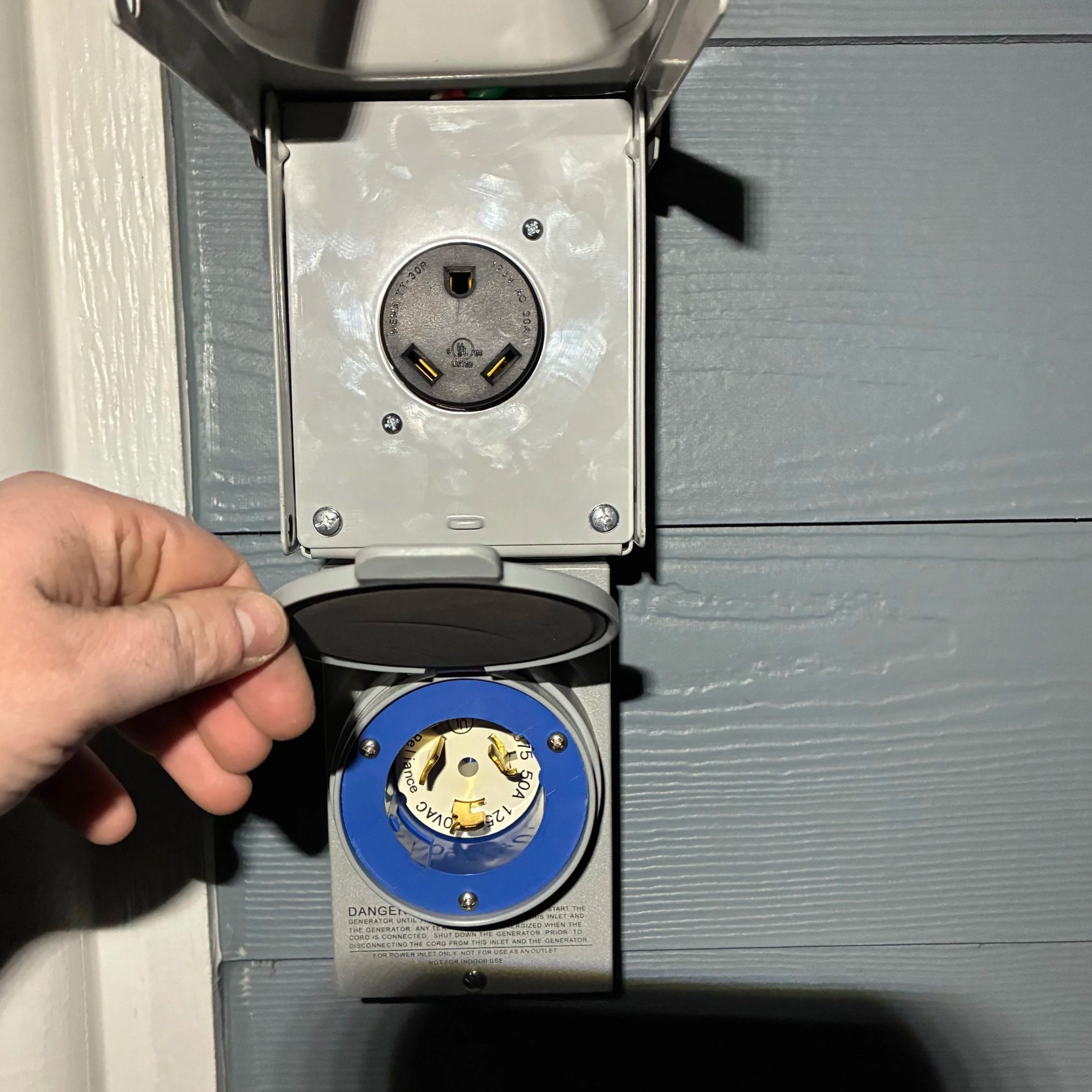
As technology becomes more integrated into everyday life, the need for accessible, reliable power continues to grow.
There was a time when electrical outlets were barely part of the conversation when designing a home. Builders placed one or two outlets on each wall, and that was considered more than enough. A television, a lamp, and maybe the occasional appliance were all most households needed. Power demands were minimal, and electrical layouts reflected that simplicity.
Today, life looks very different. Nearly every room contains multiple devices that need consistent power. Laptops, tablets, smart speakers, chargers, air purifiers, Wi-Fi routers, streaming devices, gaming systems, and countless small appliances all compete for access to the same limited outlets. What once felt sufficient now feels restrictive.
As technology becomes more integrated into everyday life, the need for accessible, reliable power continues to grow. Homes designed decades ago simply weren’t built with this level of electrical demand in mind. That’s why modern households increasingly benefit from electrical upgrades that add outlets, improve system capacity, and ensure the entire home can support today’s lifestyle without constant workarounds.
The Reality of Modern Power Needs
Modern living relies on electricity in ways that would have been unimaginable a few decades ago. Most households now use dozens of devices throughout the day. Phones charge overnight, laptops power workdays, smart TVs stream entertainment, and appliances help streamline daily routines.
This increase in technology has quietly transformed how electricity is used throughout the home. Instead of occasional use, outlets are now expected to support multiple devices simultaneously and for extended periods.
Unfortunately, older electrical layouts often struggle to keep up. When outlets are limited, homeowners frequently turn to extension cords and power strips to fill the gap. While these solutions may seem convenient, they often create clutter and increase the risk of overloading circuits.
Adding more outlets throughout the home helps distribute electrical demand more effectively. Instead of relying on one overworked outlet, power can be shared across multiple properly wired connections. This not only improves convenience but also helps maintain a safer electrical environment.
Kitchens That Do More Than Cook
The kitchen has evolved into one of the most power-dependent spaces in the home. Beyond cooking appliances, kitchens now serve as coffee stations, charging hubs, casual workspaces, and social gathering areas.
Small appliances alone can demand significant electrical capacity. Coffee makers, air fryers, blenders, stand mixers, and electric kettles often run at the same time during busy mornings. Add phone chargers, under-cabinet lighting, and smart displays, and it becomes clear that the traditional two-outlet setup no longer supports the modern kitchen.
Additional outlets along countertops, islands, and walls make everyday tasks easier. Instead of unplugging one appliance to use another, multiple devices can operate safely at the same time.
Strategic outlet placement also helps keep countertops organized. Built-in USB outlets, hidden outlets under cabinets, and outlets integrated into kitchen islands allow devices to charge without cluttering the workspace. These small upgrades can make the kitchen feel far more functional and adaptable.
Bedrooms Built for Modern Comfort
Bedrooms have also transformed into technology-friendly spaces. Nightstands now support phone chargers, lamps, smart speakers, tablets, alarm clocks, and sometimes even laptops. With only one outlet nearby, it quickly becomes a juggling act to power everything.
Additional outlets make it easier to keep devices charged without stretching cords across the room. USB-integrated outlets are particularly helpful near bedside tables, allowing phones and tablets to charge without bulky adapters.
Convenient outlet placement also allows for more flexible furniture arrangements. Instead of designing a room around where the outlets are located, homeowners can arrange their furniture based on comfort and style.
A bedroom should be a relaxing environment, not a maze of cords and power strips. Adding outlets helps create a cleaner, more organized space where technology quietly supports daily routines.
Home Offices and Workspaces
Remote work has changed how many homes operate. Spare bedrooms, dining rooms, and even corners of living spaces now function as full-time offices.
A home office typically requires power for computers, monitors, desk lamps, printers, routers, and charging stations. Without enough outlets, power strips quickly become overloaded, and cords begin to accumulate under desks and along walls.
Installing additional outlets in workspaces allows devices to operate safely and efficiently. Dedicated circuits may also be beneficial for equipment that runs for long hours each day.
Reliable power is especially important for remote workers who depend on stable internet connections and uninterrupted device performance. An upgraded electrical layout ensures the workspace can support productivity without constant electrical limitations.
Living Rooms and Entertainment Centers
Entertainment systems have become significantly more complex over the years. Modern living rooms often include televisions, streaming devices, gaming consoles, sound systems, smart lighting, and charging stations.
Each device needs power, and most setups require multiple outlets in close proximity. When only one or two outlets are available, homeowners often rely on power strips tucked behind furniture.
While this may solve the immediate problem, it can create additional strain on a single circuit. Adding properly spaced outlets behind entertainment centers allows each device to connect safely without overloading a single source.
Wall-mounted televisions, media cabinets, and integrated lighting setups also benefit from thoughtful outlet placement. Hidden outlets and cable management solutions help maintain a clean appearance while supporting complex entertainment systems.
Safety Matters Just as Much as Convenience
Adding more outlets isn’t just about making life easier—it also plays a significant role in electrical safety.
Overloaded outlets, extension cords running under rugs, and tangled power strips can increase the risk of overheating and electrical fires. When multiple devices draw power from a single outlet, the wiring may struggle to handle the demand.
Properly installed outlets distribute electrical load more evenly across circuits. This reduces strain on individual connections and helps prevent overheating.
Modern outlets also include safety features that older systems lack. Tamper-resistant outlets protect children from accidental contact with electrical components. Ground fault circuit interrupter (GFCI) outlets help prevent electrical shocks in areas where moisture may be present, such as kitchens, bathrooms, and outdoor spaces.
Upgrading outlets provides an opportunity to integrate these safety improvements while improving convenience throughout the home.
When the Electrical Panel Needs Attention
In many homes, adding outlets is only part of the solution. The electrical panel—the central hub that distributes electricity throughout the house—may also need to be upgraded.
Older homes often operate with 100-amp panels. While this was once sufficient, today’s households frequently require significantly more electrical capacity. Multiple appliances, HVAC systems, charging stations, and electronics can push older panels close to their limits.
Signs of an overloaded panel may include:
Frequent breaker trips
Flickering lights
Limited space for new circuits
Difficulty adding new appliances or systems
Upgrading to a larger electrical panel allows the home to support additional circuits and distribute electricity more effectively. This ensures the system operates safely while meeting modern energy demands.
Preparing Homes for Future Technology
Electrical upgrades aren’t just about current needs—they also prepare homes for future technology.
New innovations continue to shape how electricity is used. Electric vehicle charging stations, smart appliances, home automation systems, advanced security equipment, and outdoor entertainment spaces all require reliable power.
A modern electrical system creates the foundation needed to support these advancements without requiring constant retrofits. Adding outlets now makes it easier to integrate future technology as it becomes part of everyday life.
Instead of reacting to electrical limitations later, proactive upgrades ensure the home remains adaptable for years to come.
Outdoor Power Expands Living Spaces
Outdoor outlets are another often-overlooked improvement that can make a noticeable difference.
Many homeowners enjoy outdoor lighting, holiday decorations, power tools, lawn equipment, and patio entertainment systems. Without outdoor outlets, extension cords often run through windows or across walkways.
Installing dedicated outdoor outlets allows these devices to operate safely and conveniently. Weather-resistant covers and proper grounding help protect both the equipment and the electrical system.
With accessible outdoor power, patios, gardens, and backyard spaces become more functional and enjoyable throughout the year.
Small Changes With Big Impact
Electrical upgrades may seem like minor improvements compared to large renovations, but their impact on daily life can be significant.
More outlets reduce clutter, eliminate extension cords, and allow devices to operate safely throughout the home. Everyday tasks—from charging phones to preparing meals—become easier when power is readily available where it’s needed.
Thoughtful outlet placement also improves the flexibility of each room. Furniture arrangements, décor choices, and technology setups no longer need to revolve around a limited number of outlets.
Instead, the home adapts to the way people actually live.
A Home That Works With Modern Life
Homes today serve many purposes. They are offices, classrooms, entertainment centers, and places to relax. Supporting all of these roles requires an electrical system designed for modern living.
Upgrading outlets and electrical panels ensures the home can handle daily power demands without compromise. Instead of constantly managing cords and searching for open outlets, homeowners can enjoy a space that quietly supports their lifestyle.
Sometimes the most valuable upgrades are the ones that go unnoticed. When outlets are placed exactly where they’re needed, and power flows reliably throughout the house, everything simply works the way it should.
Modern life depends on electricity more than ever before. Giving the home the power infrastructure it needs is a simple step that improves safety, convenience, and comfort for years to come.
Electrical Outlet & Panel Upgrade FAQs for Modern Homes
How many outlets should a modern home have in each room?
Modern homes typically require more outlets than older designs provided. Living rooms, kitchens, and home offices often benefit from several outlets along each wall to support electronics, appliances, and chargers. While electrical codes specify minimum requirements, installing additional outlets during an upgrade helps reduce reliance on extension cords and power strips while making each room more flexible for everyday use.
What are the signs that an electrical panel upgrade may be needed?
Frequent breaker trips, flickering lights, warm outlets, or limited capacity for adding new appliances are common signs that an electrical panel may be outdated. Many older homes still rely on 100-amp panels, which may struggle to support modern electrical demands. Upgrading the panel improves safety, increases capacity, and allows the home to power multiple devices and appliances more reliably.
Are power strips and extension cords safe to use long-term?
Power strips and extension cords can be helpful for temporary power needs, but relying on them long-term may create safety concerns. Overloaded power strips can overheat, and cords placed under rugs or furniture may become damaged over time. Installing additional outlets provides a safer, more permanent solution by distributing electrical demand properly across the home.
Can outlets be customized for different areas of the home?
Yes, outlets can be tailored to meet the needs of different spaces. USB-integrated outlets make device charging easier in bedrooms and kitchens, while tamper-resistant outlets add safety in homes with children. Outdoor outlets support lighting, tools, and seasonal decorations. Thoughtful placement ensures outlets remain convenient and accessible throughout the home.
Why upgrade outlets and the electrical panel at the same time?
Upgrading outlets and the electrical panel together ensures the entire electrical system functions efficiently. Additional outlets increase the number of devices that can be used simultaneously, while a panel upgrade ensures the system has enough capacity to support the extra demand. Completing both upgrades together helps create a balanced electrical system that improves safety, convenience, and long-term reliability.
When in need of a residential electrician, commercial electrician, or emergency electrician in Vancouver, WA, trust only Safeline Electric. We are licensed, insured, and certified, and maintain the highest safety standards for all our services. Our team is committed to delivering timely and efficient solutions at affordable prices. Count on us for attention to detail and strong communication. Connect with our team to learn more.
